

Sessions of the Dzogchen Nyingthig Community
Sanskrit for Dharma Practitioners
Overview of Sessions
-
The Lama's Story
A session which shares stories from our Master’s life, and other Dzogchen Masters’ lives.
-
Q&A Sessions about Dzogpachenpo
New students and old students alike sometimes have questions about Dzogpachenpo, the Great Perfection. At occasional intervals, we hold Q&A Sessions during which anyone can raise questions and we try our best to provide answers.
-
Meet the Students
Some of our Teacher’s oldest students provide guidance to younger students. In this session, younger students can share their questions and can connect with and learn from older students on a deeper level.
-
Sādhanas
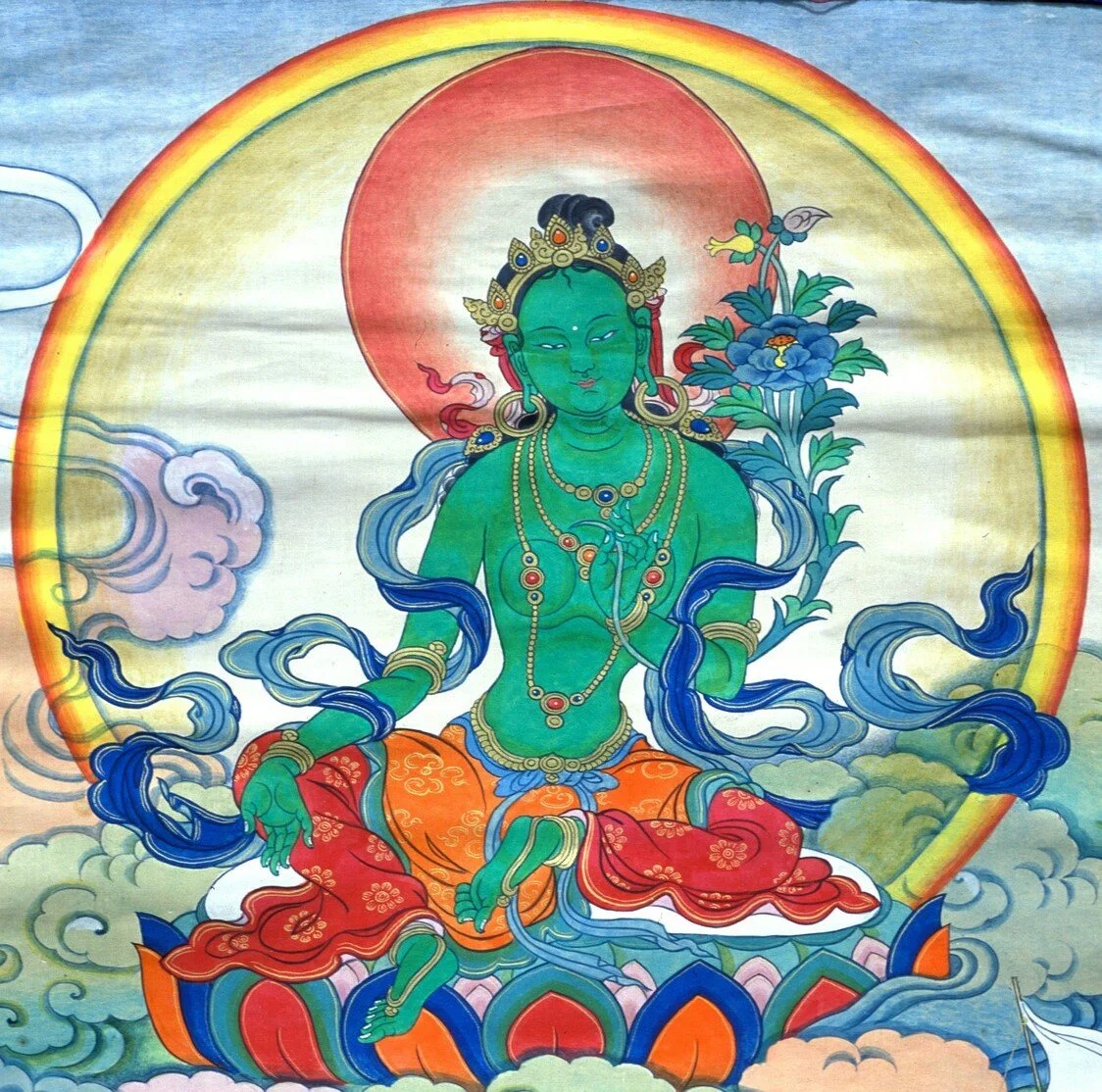
Our Teacher has revealed a vast range of sādhanas which are held and practised by various member centres of the Dzogchen Nyingthig Community. In this session, we provide an overview of which centre practises which sādhanas.
-
Empowerments & Dzogchen Teachings
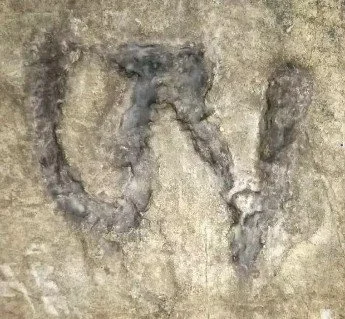
Our Guru has given many empowerments in Secret Mantra and Dzogpachenpo, the Great Perfection.
-
Mind Pointing Out Instructions
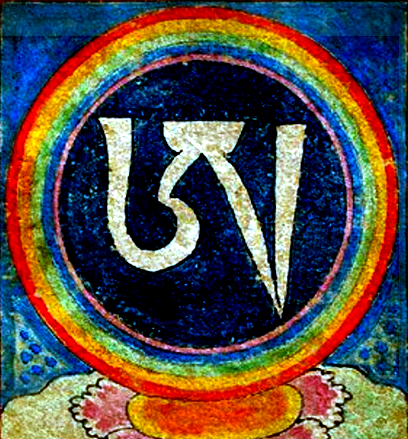
In this session, the possiblity of obtaining Semtri or Mind Pointing Out Instructions in the Adzom Drukpa tradition is explained. Preconditions: one completed Ngondro (with accumulations).
-
Meditation Guidance
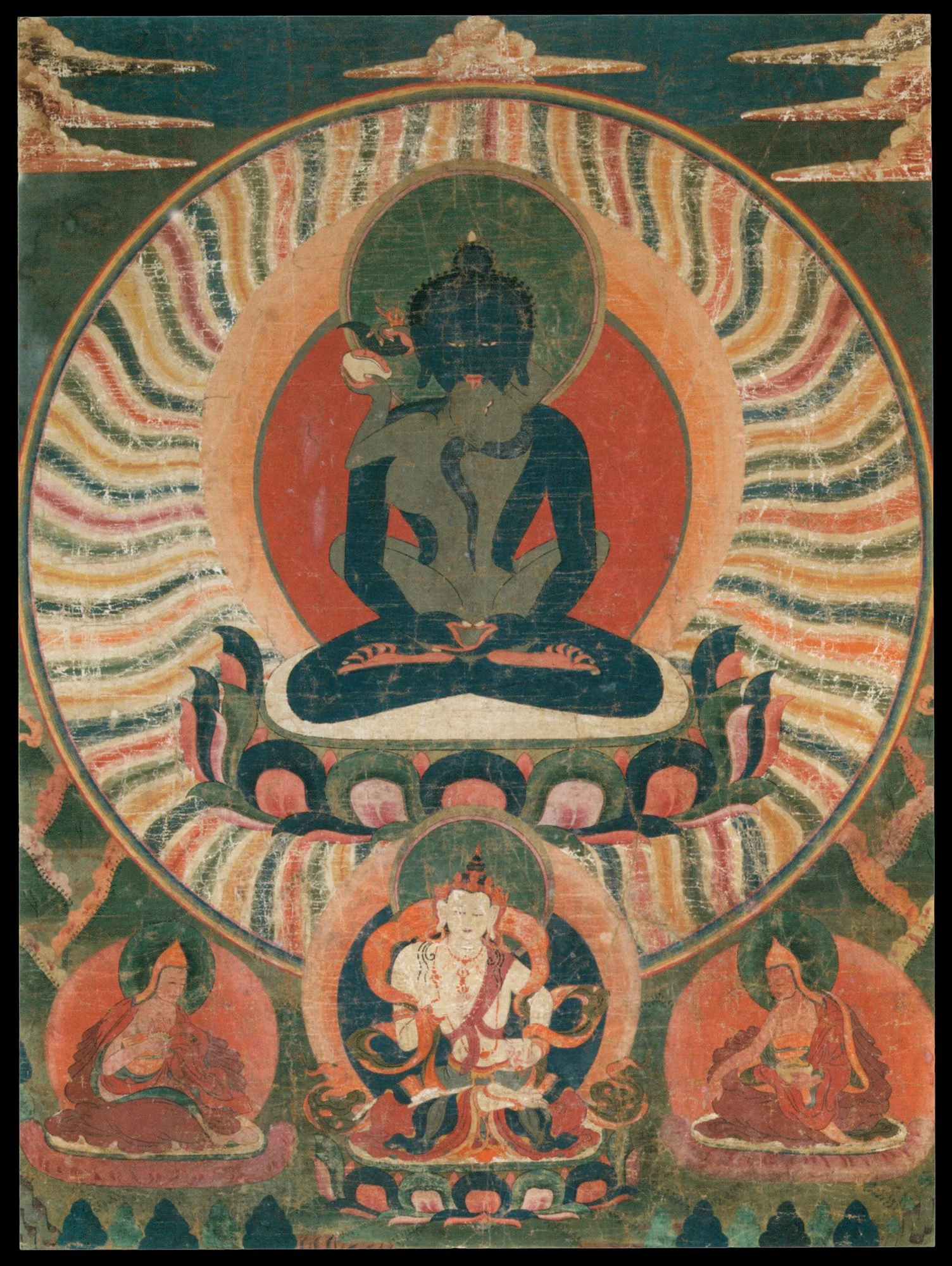
In this session, the possibility of Meditation Guidance is explored.
-
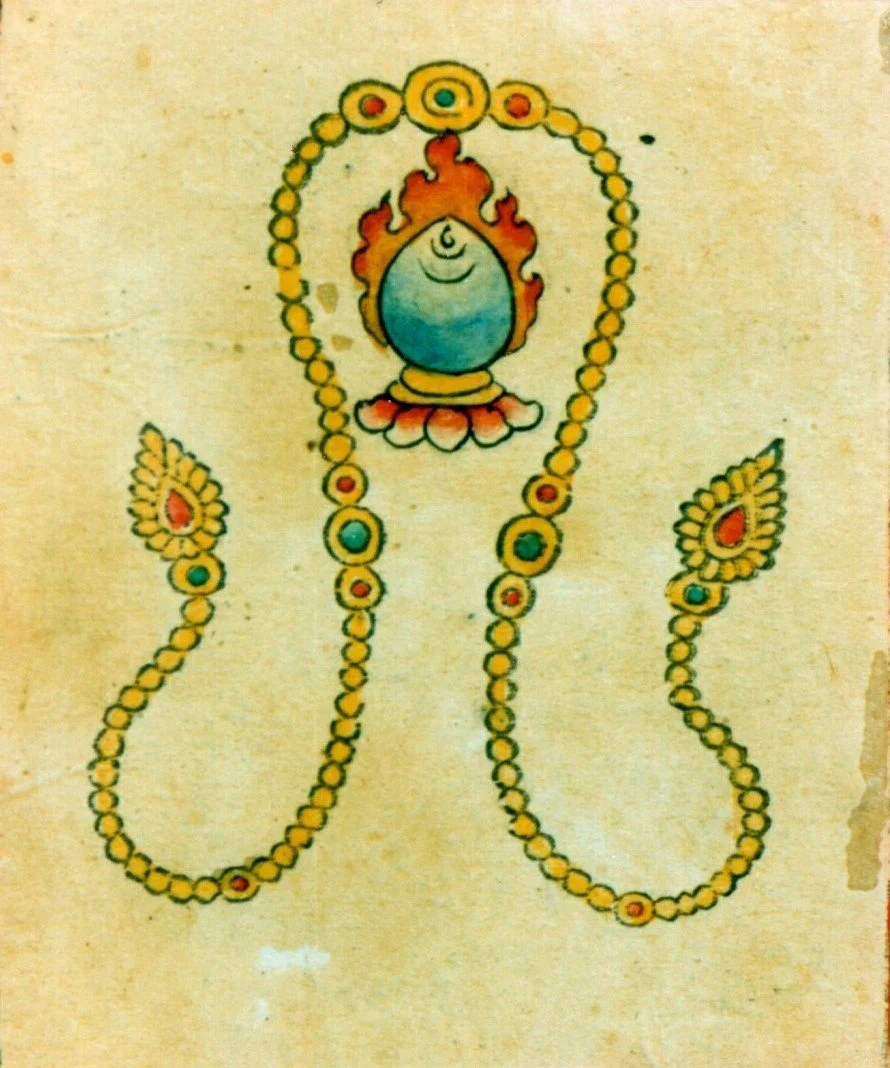
Lung & Wang Transmissions
In current times, due to constrictions, our Guru has approved that all of his lung and some of his wang transmissions (such as Dorje Drollo) may be shared through online transmission with devoted students. In this session, we explain which lungs and wang transmission are available as well as the conditions for receiving them.
-
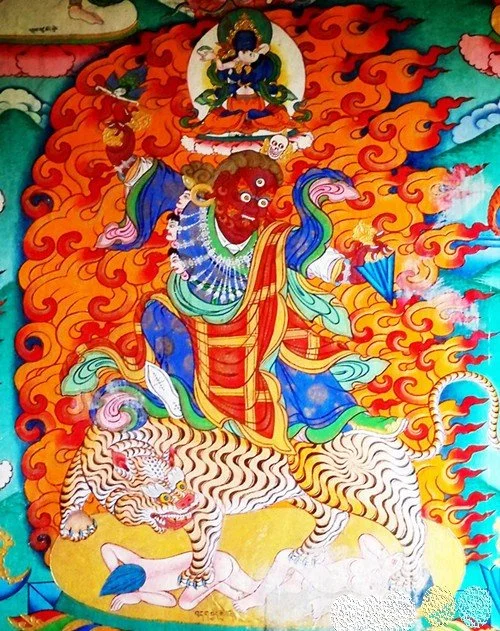
Dzogchen Nyingthig Deity Pictures
In this session, practitioners can stay up to date about which pictures are available where. For example, recently a picture of Dorje Drollo was shared with the Dzogchen Nyingthig Community.
-
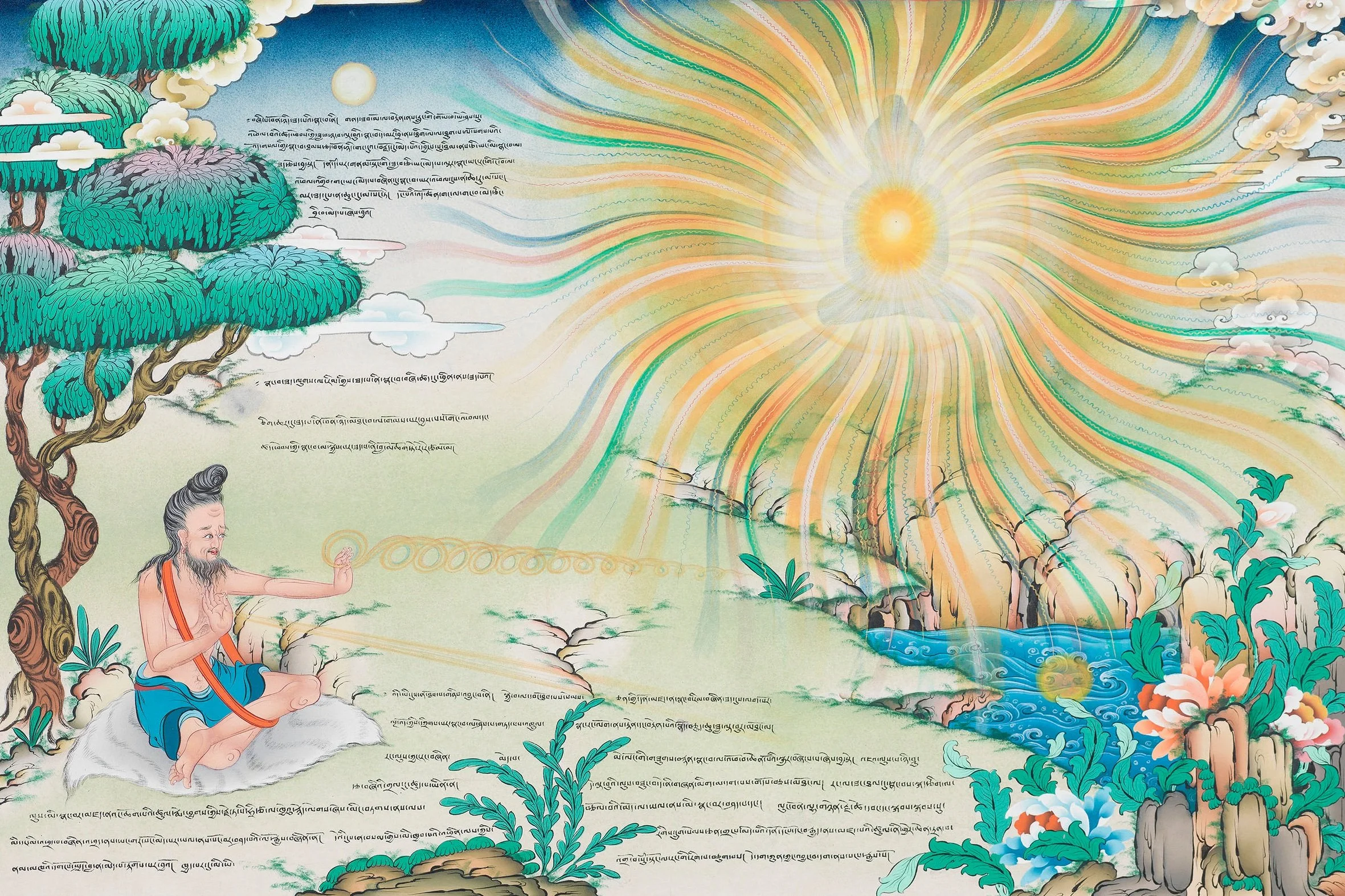
Dzogchen in Creative Arts
Inspired by Mañjuśrī and Sarasvatī, many students have a wide range of talents. This session brings together students who desire to contribute with their artistic talents.
-
Social Projects
Students wish to know which social projects exist in our wider community and how to support them. Our community runs a clinic, an old-age home, and several schools. In Sikkim, we also run a girls’ empowerment project known as Sarvamangala Society (www.sarvamangalasociety.org).
-
Statues & Dharma Items
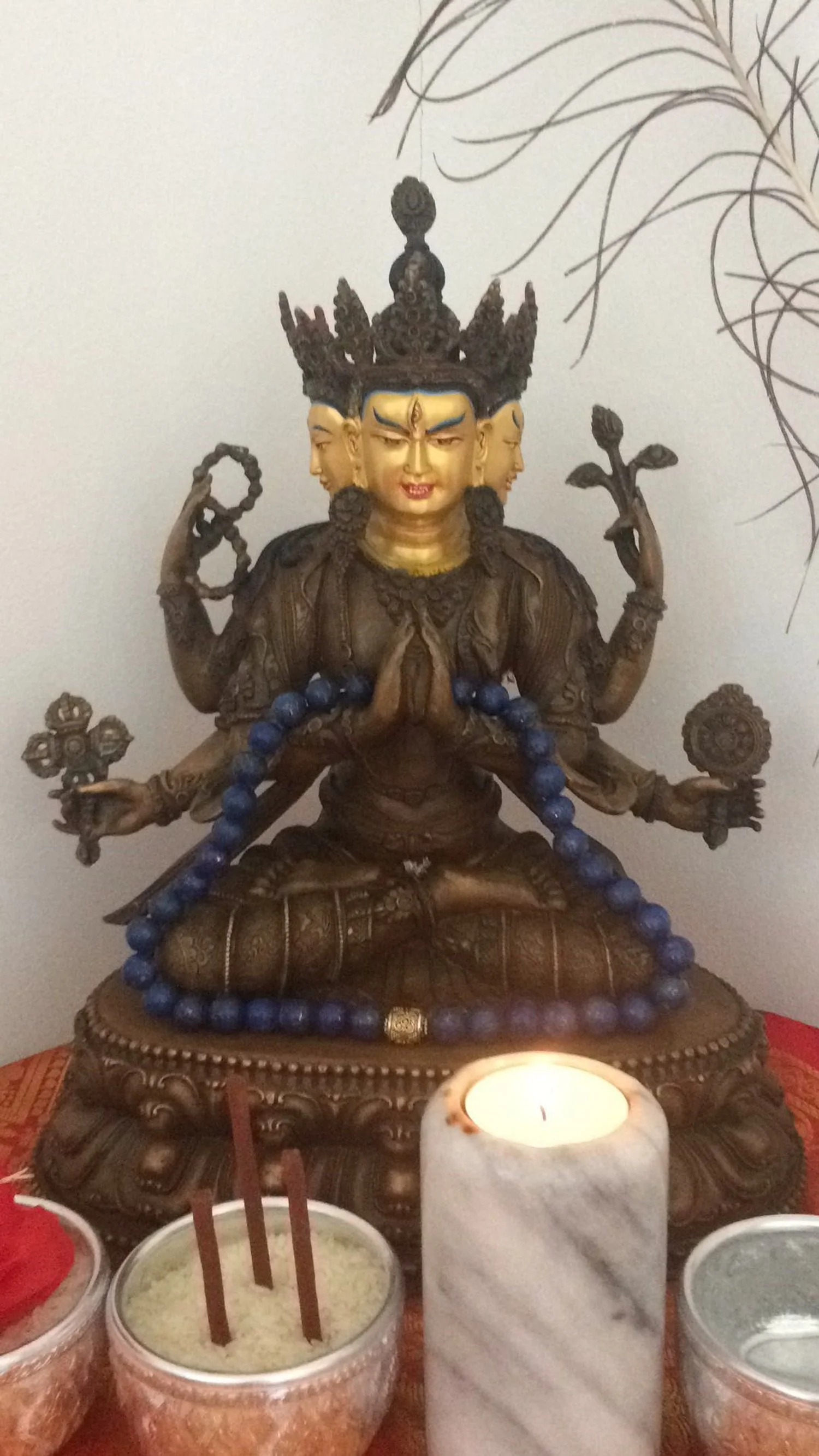
Unique Dharma representations such as the Chenrezig or Avalokiteśvara statue created by our Teacher are available to sincere practitioners who request them and are patient enough to wait for them, as the process of obtaining them is rather complex. In this session, we explain which Dharma items are available as well as their importance.
-
Mudrās & Rituals
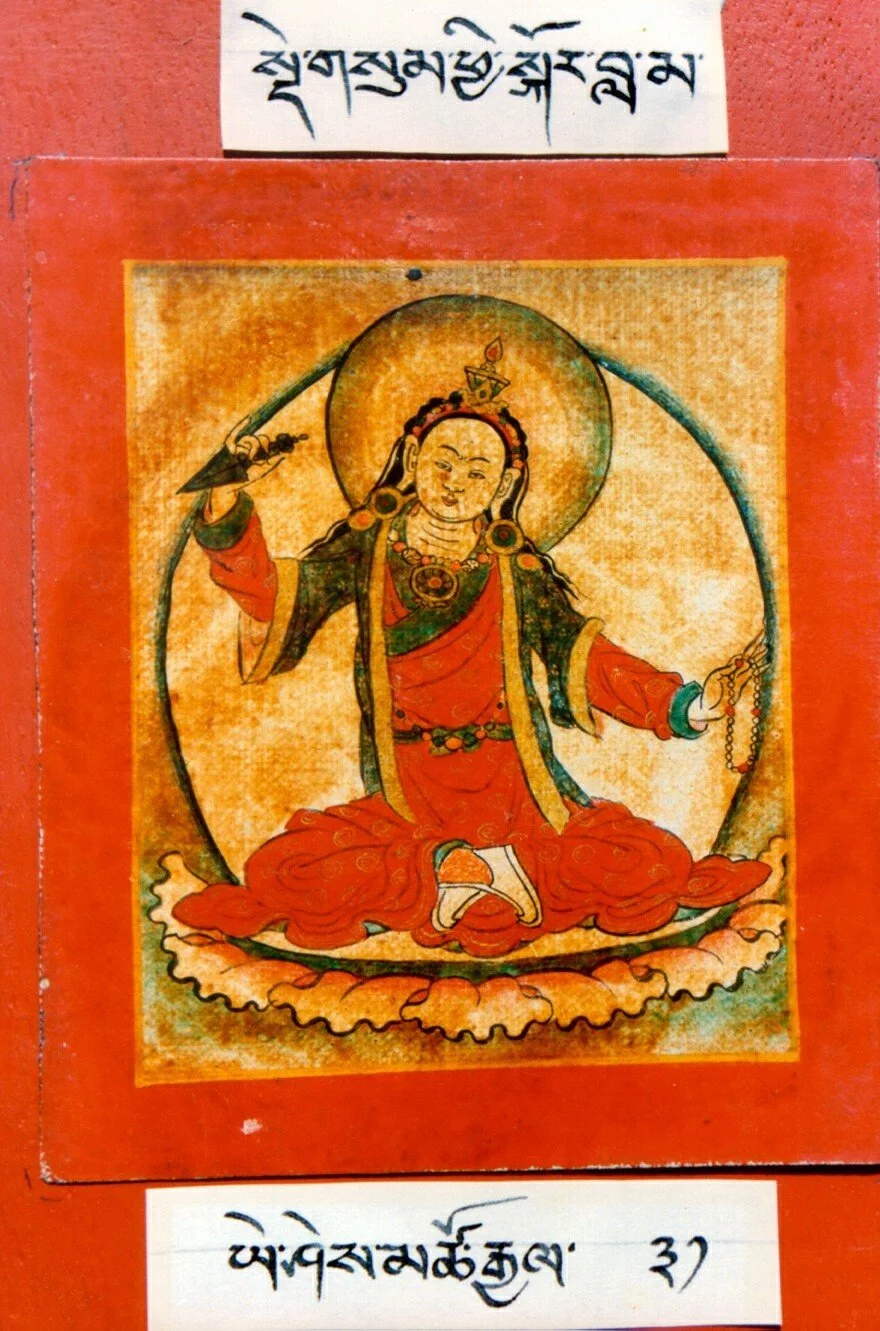
The importance of mudrās & rituals in Secrer Mantra is explained in this session: For example, how to practise the mudrās of the eight daily offerings.
-
Scriptural Commentaries
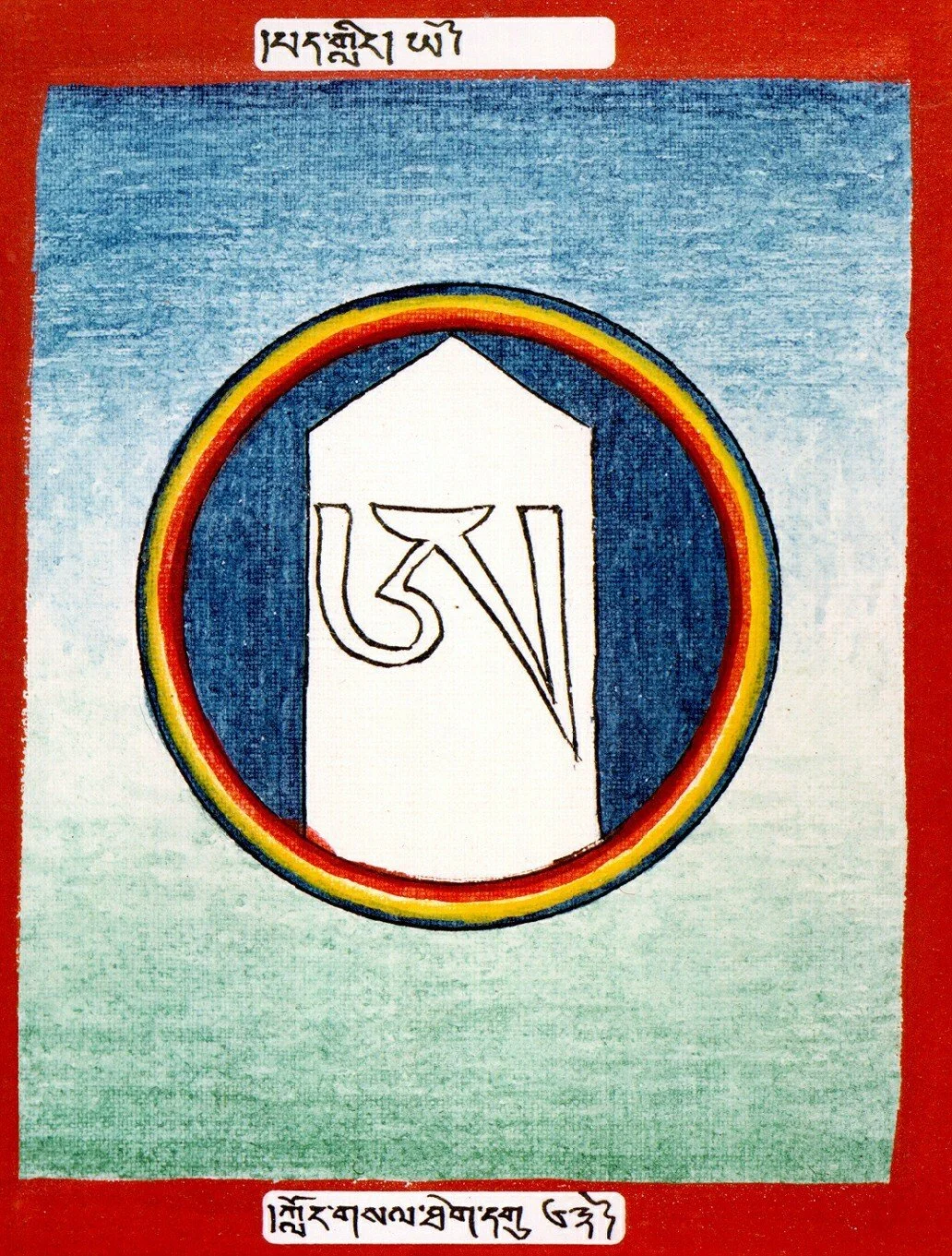
Our Teacher has offered numerous scriptural commentaries, Ngondro commentaries, Sādhana commentaries, etc. to the Dzogchen Nyingthig Community. In this session, we study his commentaries together.
-
Affiliated Centres
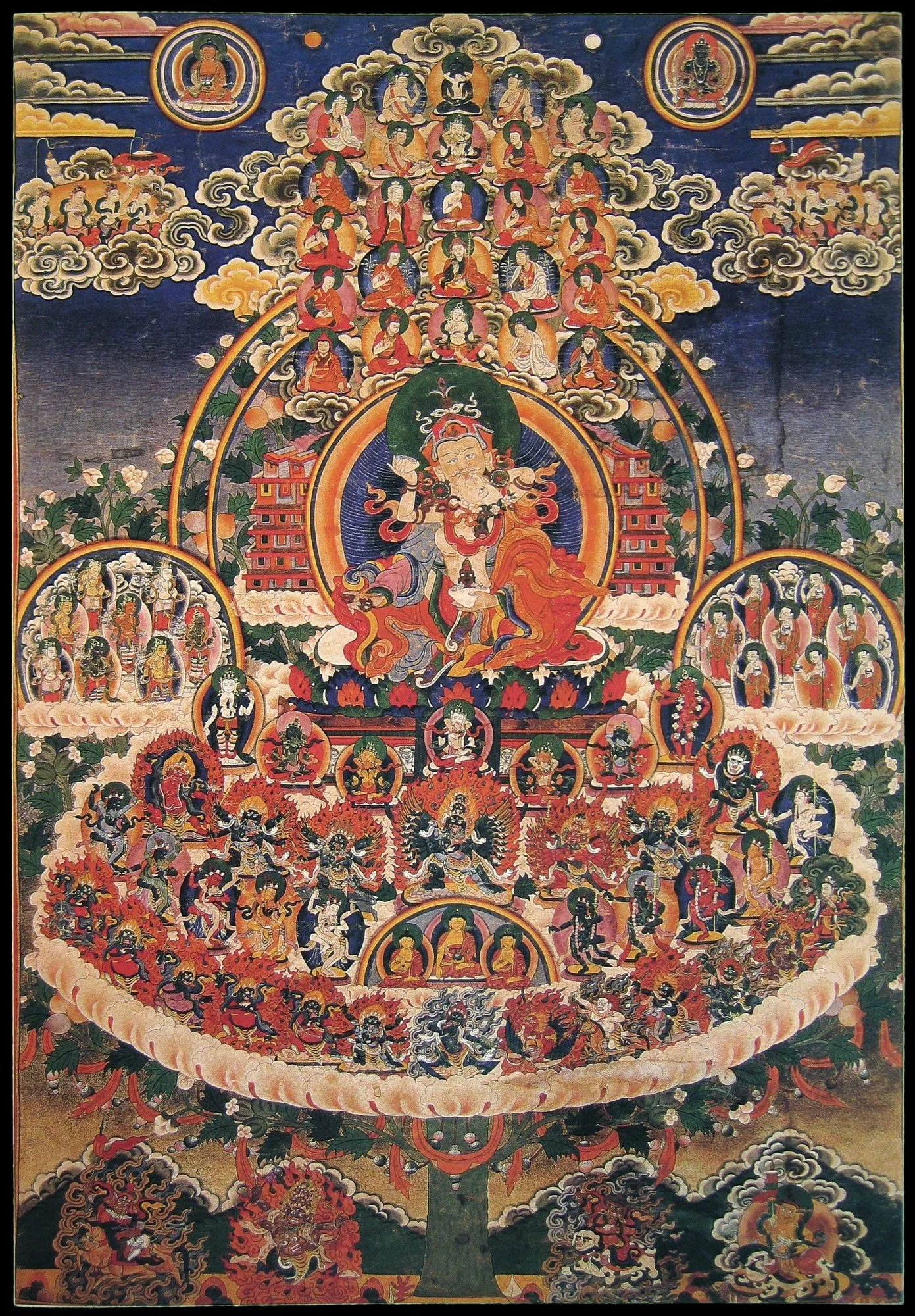
The Dzogchen Nyingthig Community is a group of loosely affiliated centres across several countries, dedicated to the practice of Dzogpachenpo under our Teacher. Currently, there are eleven such centres. In this session, we explain which centres exist where and what they offer.
-
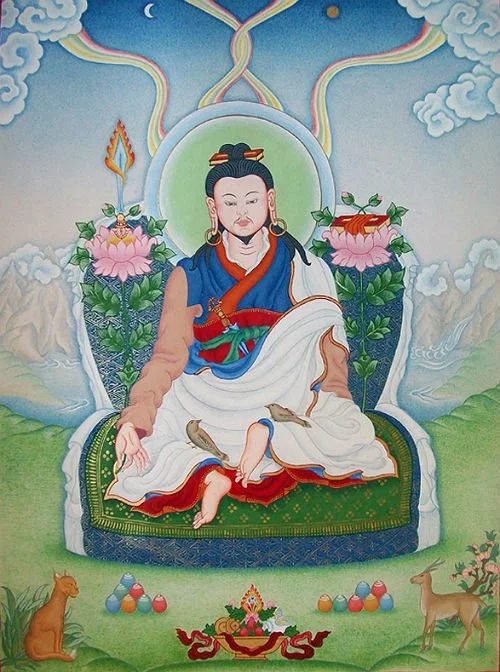
Retreat Centres
Several retreat centres are in the making, which are available to Dzogchen Nyingthig Community.
Currently, the Dzogchen Nyingthig Ösel Ling at Arunachala Mountain www.arunamangala.org is the first one to have opened its doors. -
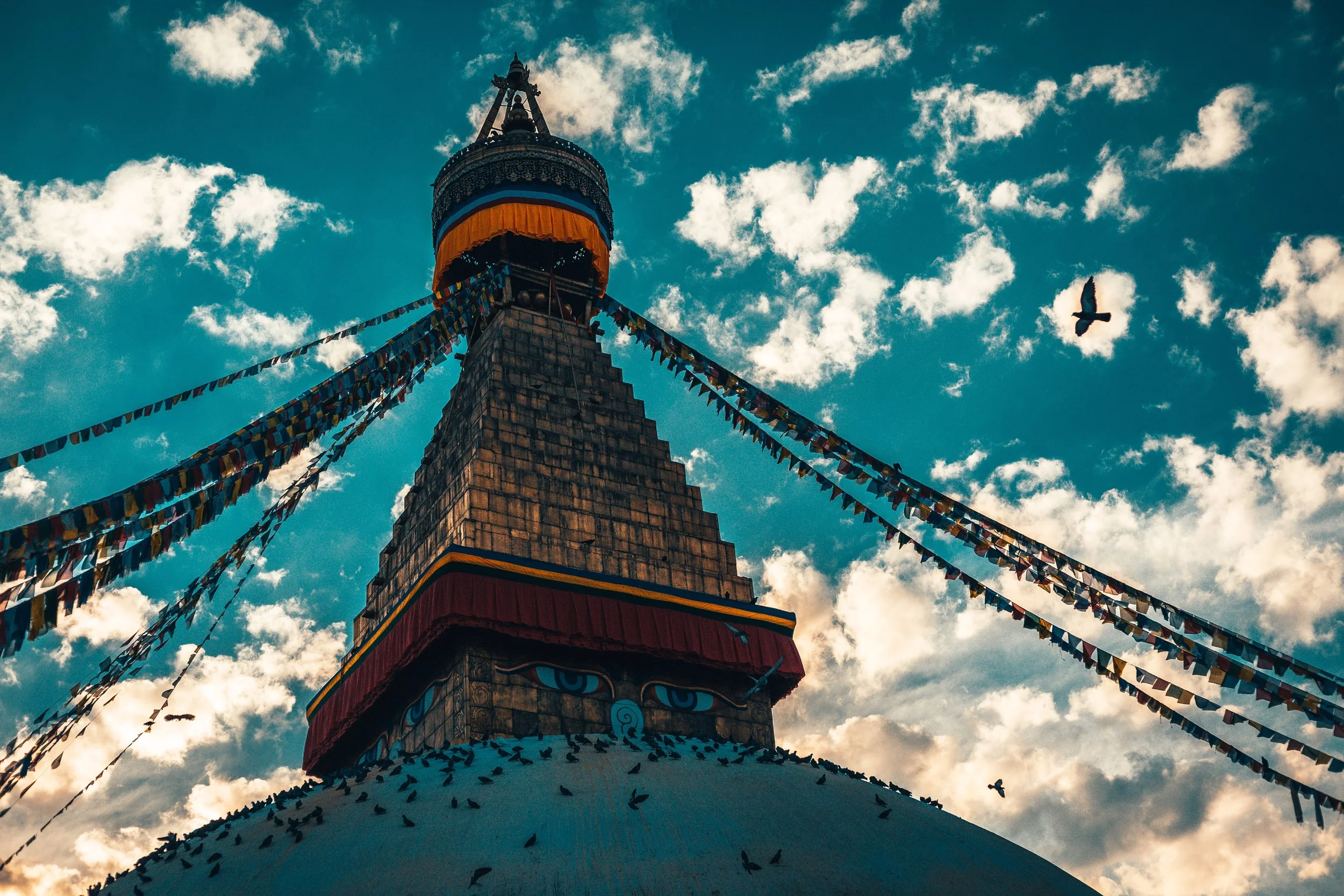
History of Secret Mantra and Dzogpachenpo
Many new (and older) students of the Dzogchen Nyingthig Community are interested in the history of Secret Mantra, Dzogpachenpo, the legends of the 84 Mahāsiddhas, ancient historic interactions between India and the Land of Snow, the sources of Dzogpachenpo in India, and so on. In this session, we invite leading academics and experts to speak about such topics. Questions can be submitted beforehand, so that the speakers can pick them up.
-
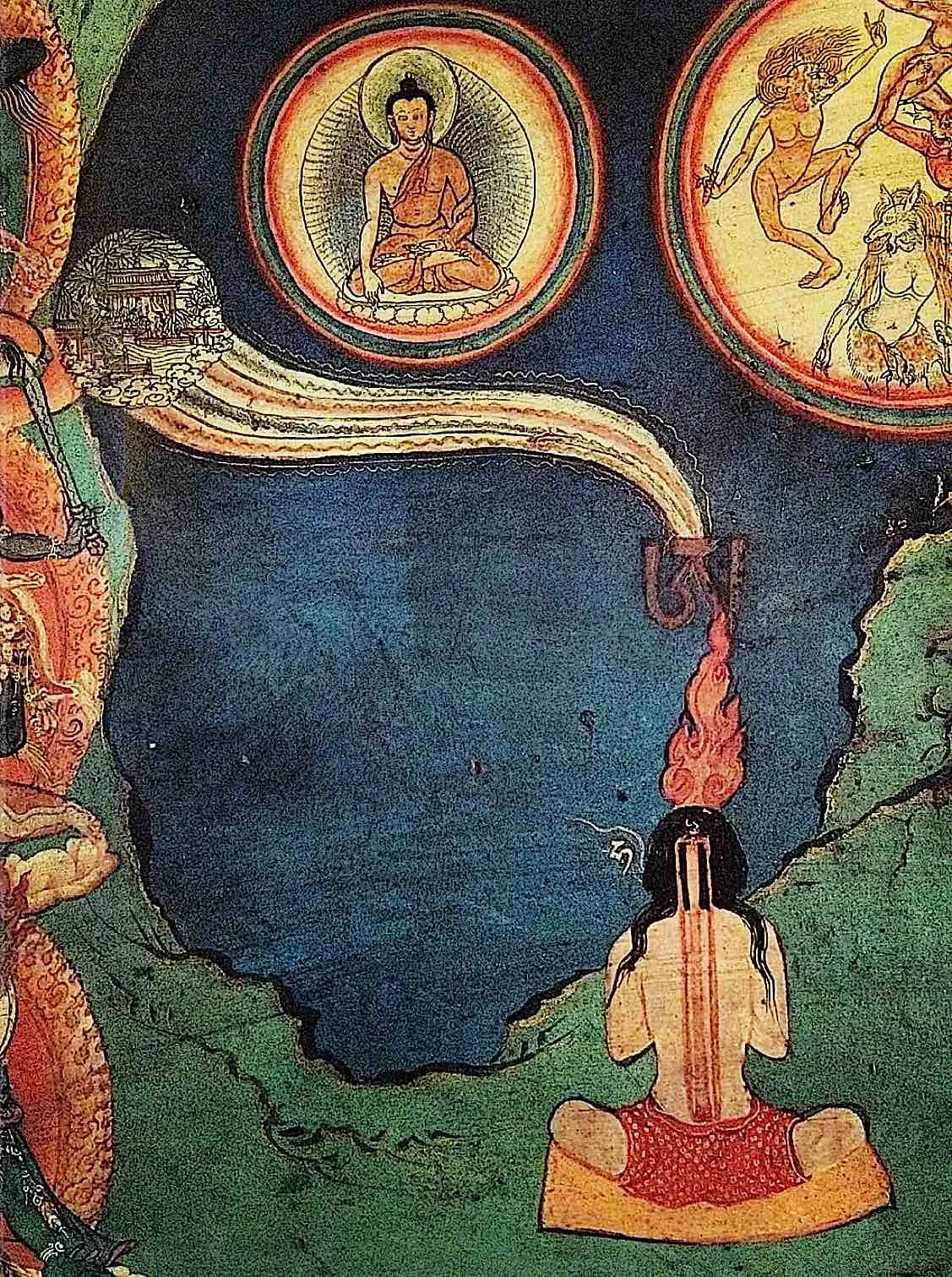
Phowa: Learning to Die Consciously
One of the key practices of Secret Mantra and the Dzogchen Path is Phowa, also known in Sanskrit as Utkrānti: the Path of Dying Consciously. Our Teacher, a Phowa Mahāsiddha, has described Phowa as the necessary route to take if one has not been able to complete the Dzogchen Path, or even complete the Ngondro.
In this session, we explain to new students the principles underlying the practice of Phowa, its historical context in India, as well as energy-related aspects to be taken into consideration when practising Phowa (e.g. our Teacher has stressed the crucial importance of reintegrating, following Phowa practice, the energy as Amitāyus in the heart centre, in order to avoid rlung problems.)
Preconditions: Participants must be Ngondro practitioners. -

The Dzogchen Path
New students are often inquisitive about the structure of the Dzogchen Path. In this session, we offer an overview of the Dzogchen path taught by our Teacher, including his explanations of the various parts of the path (Ngondro, Powa, Semtri, etc.).
-
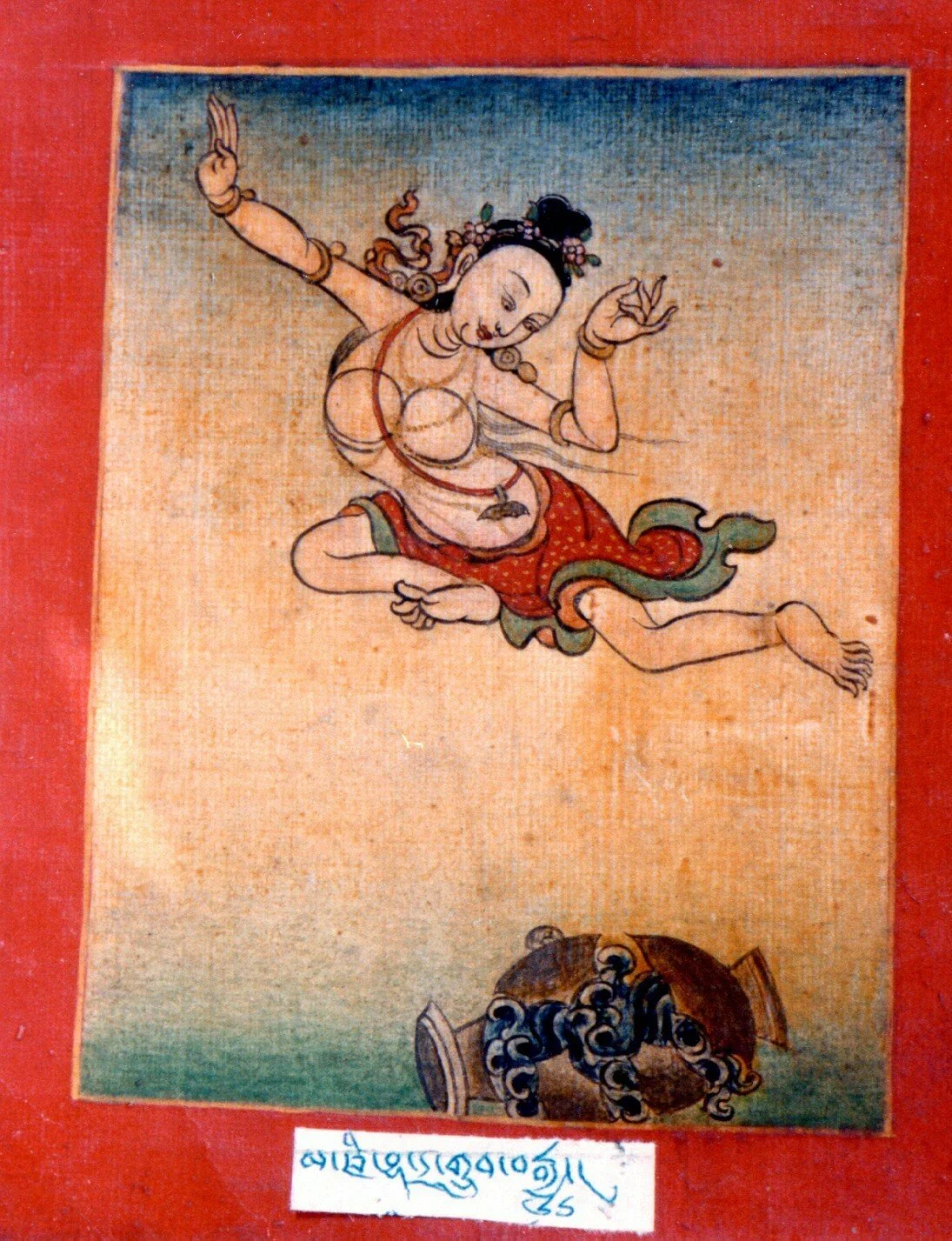
Sanskrit, Tantras and Dzogpachenpo
Our Teacher has given us the task of translating all his termas into Sanskrit, “the language of the gods, which touches reality closest” (quote from our Teacher). In this session, we make this information available to new students who are interested in practising or studying some of his termas and sādhanas from the perspective of the Sanskrit tradition.
Our Teacher has also praised the importance of Sanskrit in reciting hymns. We guide practitioners in learning to recite Sanskrit-based tantric hymns. -
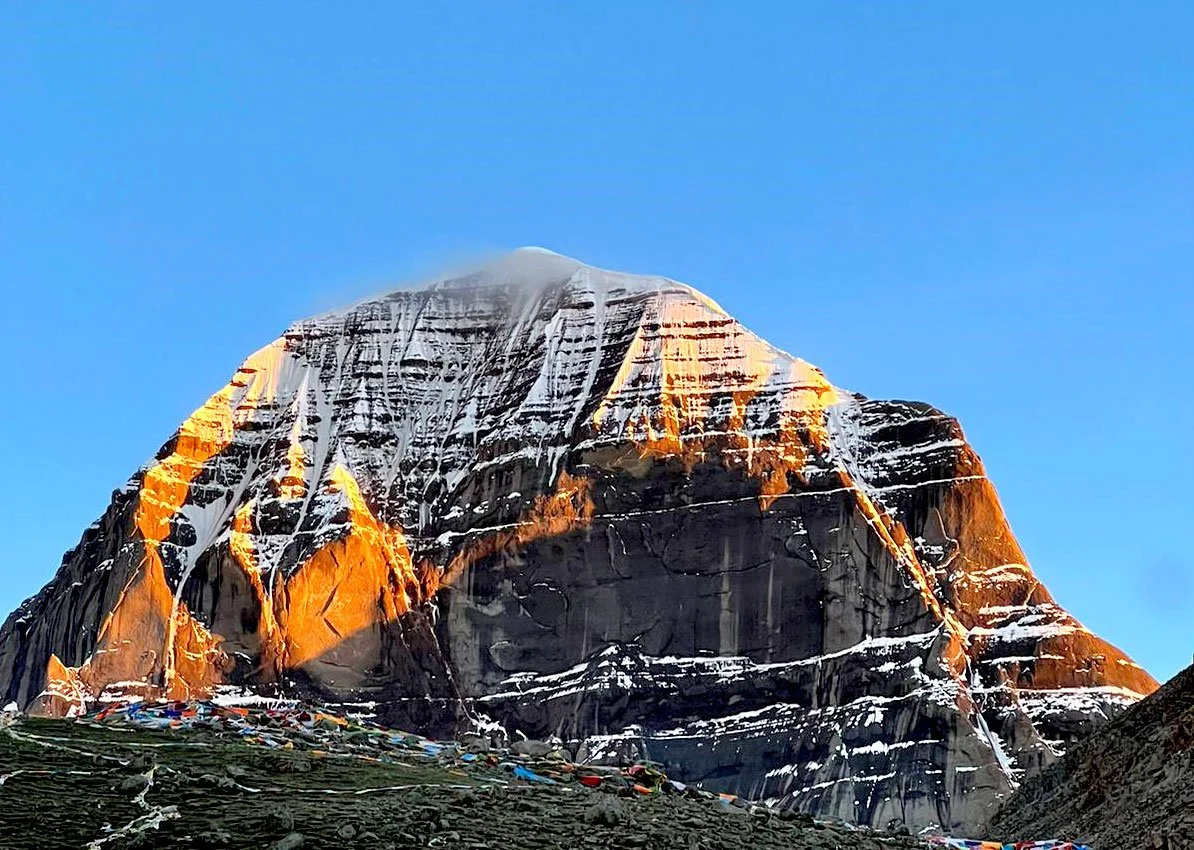
Dzogchen Nyingthig Pilgrimages
Students learn about our pilgrimages to Dakini power places in India, Nepal, Bhutan, and the Land of Snow.
-

Dealing with RLung (Prāṇa) Related Problems
Sometimes practitioners of Secret Mantra experience a phenomenon known as ‘rlung problems’, wherein the prāṇa energies that become activated through practice are in imbalance. Symptoms of rlung include extreme highs or lows, too much energy in the head, anxiety, obsessive thinking, and ego inflation. We offer old and new students a safe space to share their rlung problems and provide energetic guidance, breathwork, our Teacher’s Dzogchen movements, and yoga-type exercises to alleviate these problems.
-

Integration of Basic Emotional Dimensions through Dzogchen
Dzogpachenpo is known as the path of self-liberation, liberation upon recognition of emotional and mental states and phenomena. How to apply this in the midst of the challenges of daily life? In this session, a psychotherapist who is a Dzogchen Nyingthig Community practitioner explains how to integrate emotions into Ngondro as well as the main Dzogpachenpo practices.
-
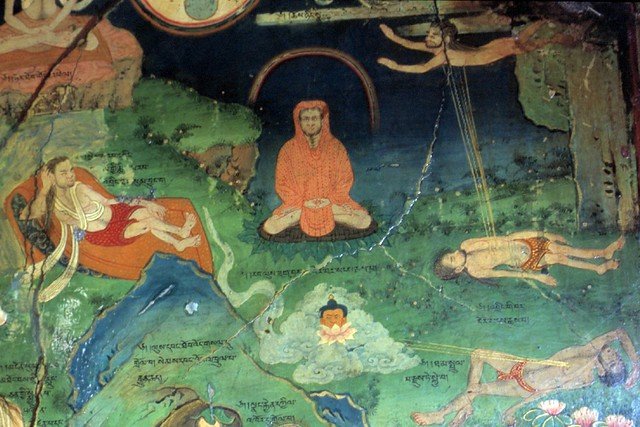
Working through Trauma from a Dzogchen Perspective
Sometimes, practitioners who have undergone severe traumatic experiences in life engage in what is known as ‘spiritual bypassing’. The Dzogchen approach to spirituality does not avoid negative emotions but integrates them in the self-same sphere of the ground of being. In this session, a psychotherapist who is a Dzogchen Nyingthig Community practitioner helps students with creative approaches such as family constellations, five buddha families and five dakini family constellations, and so on, to integrate and dissolve prior traumas into the one taste of the mind’s fundamental nature.
-
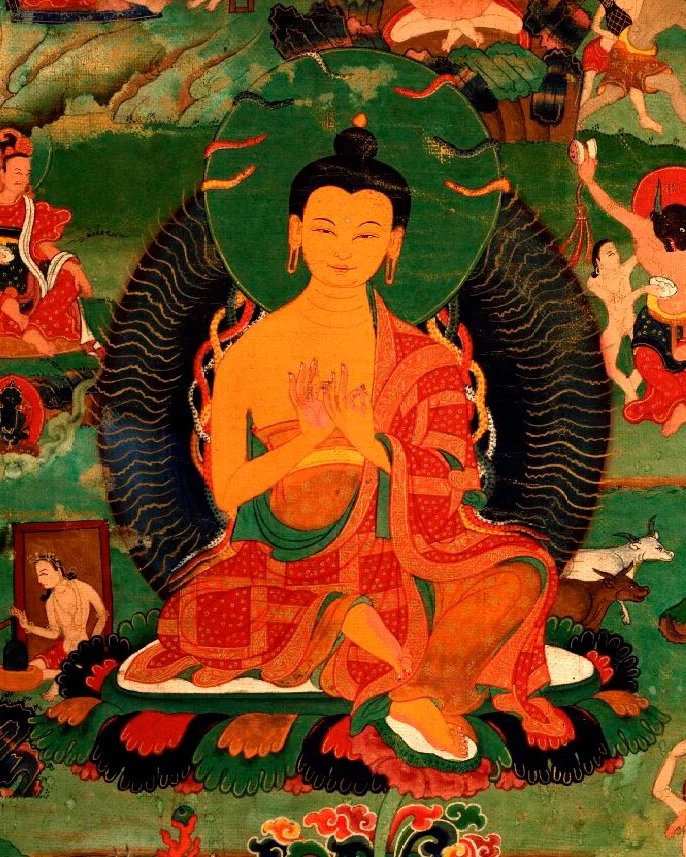
Mādhyamika and the Dzogpachenpo View
According to Mipham the Great, the Mādhyamika Prāsaṅgika View is the same as the Dzogpachenpo View. In this session, we provide new students with an understanding of the Mādhyamika View based on the works of Nāgārjuna, Buddhapālita, Candrakīrti, and Mipham the Great. Our Teacher specifically recommends the study of Mipham’s explanations.
-
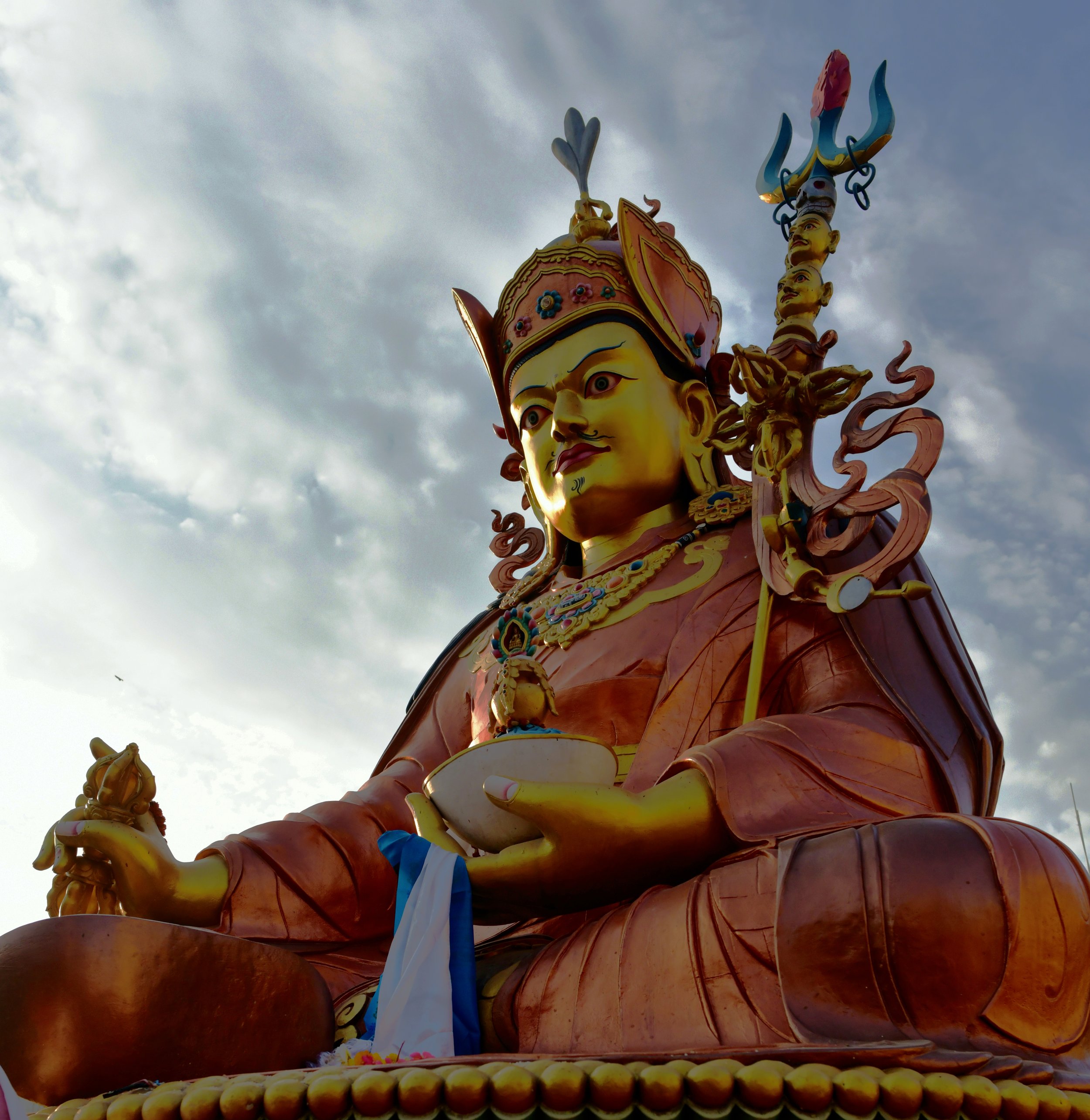
Mipham's Commentary on the Seven-Line Prayer
Our Teacher has specifically asked students to study Mipham’s Commentary on the Seven-Line Prayer known as ‘The White Lotus’. In this module, we jointly study Mipham’s Commentary over several sessions, entering a deeper and deeper understanding of the various layers of meaning hidden in the Seven-Line Prayer to Padmasambhava.
-
Bodhisattvacaryāvatāra: The Sanskrit Commentary by Prajñākaramati
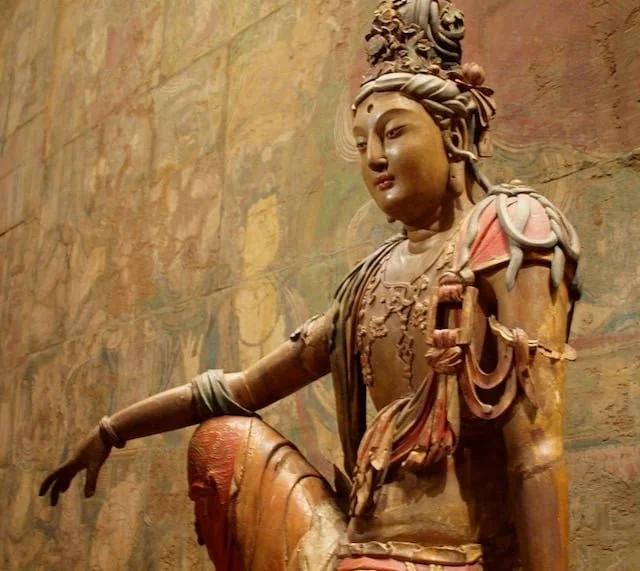
Our Teacher expressed that new students study the Bodhisattvacaryāvatāra of Śāntideva, ‘The Observance of the Way of the Bodhisattva’. In this session, we offer the study of Prajñākaramati’s great Sanskrit commentary on this Buddhist classic.
-
Prayers and Pujas for the Dying & Deceased, and Various Pujas for the Living
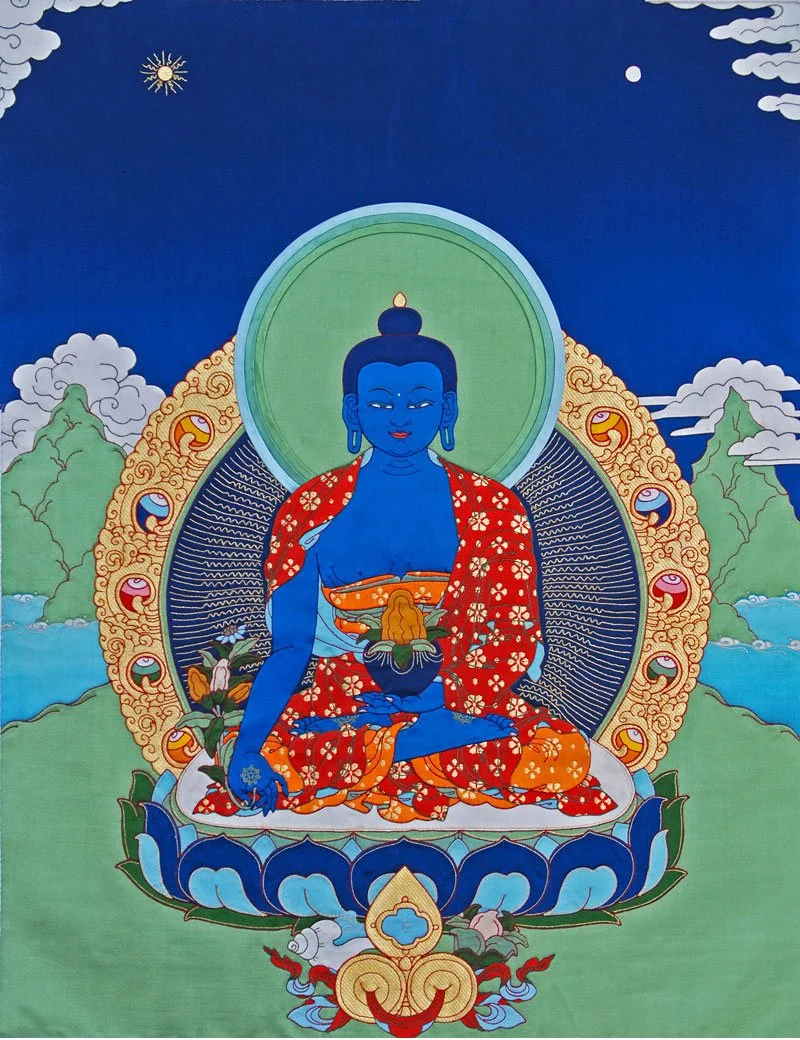
In the traditions of Mahāyāna and Secret Mantra, the dying process is considered a sacred interim space (antarabhāva or Bardo) where the mindstream of the deceased has the chance to make great progress. For example, when someone close to you has passed, we arrange the 49-Day at our monastery and temple: This means hundreds (sometimes up to a thousand) jointly recite powerful Bardo prayers and instructions for the deceased to be uplifted into a pure realm. In this session, we explain how the arrangement of such Pujas works, and also what Pujas are available. You may also see the Puja Services section for this.